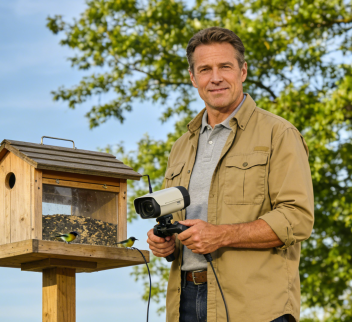
A standard single-hopper feeder attracts a limited set of guests—typically sparrows and doves. To draw a stunning variety like cardinals, hummingbirds, and woodpeckers, you need a feeder that caters to their unique habits. This is the philosophy behind the dual-chamber bird feeder camera. It’s more than just two compartments; it’s a system engineered around avian behavior science to increase backyard species diversity by 60% or more. Let’s explore how this smart bird feeder design works.
Table of Contents
The Problem: One Feeder Doesn’t Fit All Birds
Birds have distinct preferences that a single hopper ignores:
- Diet: Seed-eaters (cardinals) vs. nectar-drinkers (hummingbirds) vs. insectivores (wrens).
- Feeding Style: Perching and pecking vs. hovering vs. clinging.
- Size & Dominance: Large, assertive birds can monopolize a feeder, excluding smaller, shyer species.
The dual-chamber design solves this by offering specialized, separate feeding stations instead of forcing all birds to compete at one.
Inside the Design: 3 Ways the Bird Feeder Camera Adapts
1. Separate Hoppers for Different Diets
- Chamber A (Main Seed Hopper): A 1.2L capacity compartment for sunflower seeds, millet, or nyjer seed. It features a wide, 2cm opening perfect for perching birds like cardinals and jays to peck comfortably.
- Chamber B (Specialty Food Hopper): A 0.6L compartment for specialized foods: sugar water for hummingbirds, insect-and-fruit mix for wrens, or suet pellets. It can be fitted with alternate ports—a tube port for hummingbirds or a fine mesh port to exclude larger birds.
- Key Feature: The chambers are independently sealed with food-grade materials to prevent flavor transfer and make cleaning easy, ensuring food stays fresh and safe.
2. Adjustable Perches for Different Styles
The feeder doesn’t just hold food; it creates the right environment.
- For Chamber A, a long, wide perch allows multiple medium-sized birds to feed socially.
- For Chamber B, the perch can be removed entirely for hovering hummingbirds or replaced with a short, thin perch ideal for small birds, giving them a safe space away from bullies.
- Perch height is adjustable, catering to different postures, whether a woodpecker needs to cling or a finch prefers to sit and nibble.
3. Thoughtful Engineering to Reduce Waste & Bullying
- Differentiated Port Placement: Ports are positioned at different heights and sizes, allowing smaller birds access to food without competing directly at the same spot as larger birds.
- Spill-Reduction Trays: Internal baffles minimize seed scatter, reducing waste on the ground that attracts squirrels and rodents.
- Optimized Camera View: Both feeding zones fall within the 120° wide-angle lens of the integrated 3MP HD camera. With full-color night vision, you get a perfect view of every visitor, no matter which chamber they choose.
How to Use It: 3 Setups for Maximum Diversity
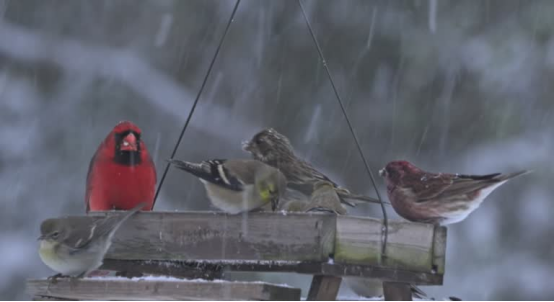
Leverage the flexibility with these proven setups:
1. The Mixed-Flock Setup
- Chamber A: Black oil sunflower seeds.
- Chamber B: Nyjer seed (for finches).
- Result: Attracts cardinals, chickadees, sparrows, and goldfinches simultaneously. The AI bird identification in the companion app will log the frequency of each species.
2. The Nectar & Insect Specialist Setup
- Chamber A: Keep with standard seeds.
- Chamber B: A 4:1 sugar-water solution with a hummingbird port, plus a side dish of dried mealworms.
- Result: Draws in hummingbirds and insect-loving birds like wrens and warblers, dramatically increasing variety.
3. The Seasonal Strategy
- Spring/Fall Migration: Use Chamber B for high-energy foods like fruit pieces or suet to fuel traveling birds.
- Winter: Fill both chambers with high-fat seeds and suet to help resident birds survive the cold.
The Ecological Benefit: More Than Just Feeding
This design promotes a healthier backyard ecosystem:
- Reduces Competition: By providing niche options, it supports subordinate species that would otherwise be driven away.
- Promotes Balanced Nutrition: Prevents birds from over-relying on a single, less nutritious food source.
- Informs Your Care: The bird feeder camera’s AI data shows which foods attract which species, allowing you to adapt and provide what your local birds need most.
FAQ: Practical Concerns Addressed
- Q: Is it hard to clean two chambers?
- A: No. Both hoppers detach easily for a quick rinse. Smooth interiors allow for a 3-minute clean.
- Q: Does the small chamber need constant refilling?
- A: It depends on the food. Hummingbird nectar should be changed every 3-5 days (small volume). Specialty seed mixes last longer.
- Q: Do I pay extra for different ports?
- A: No. The feeder includes multiple port types (hummingbird tube, fine mesh) in the box.
- Q: Will it attract more squirrels?
- A: The specialized ports are designed for birds. This, combined with optional AI-driven squirrel deterrent alerts, makes it highly squirrel-resistant.
Conclusion: A Feeder That Thinks Like a Bird
The dual-chamber bird feeder camera represents a shift from passive feeding to active habitat creation. By respecting the dietary and behavioral needs of different species, it transforms your yard into a thriving hub of avian activity. Paired with the power of HD video and AI recognition, it offers an unparalleled window into the diverse and fascinating world of backyard birds.
Transform your backyard with the dual-chamber bird feeder camera designed for diversity.