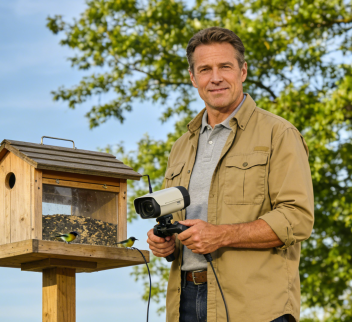
A solar-powered bird feeder camera relies entirely on its solar panel’s ability to convert sunlight into electricity. Dust, pollen, bird droppings, and leaf debris can dramatically reduce its efficiency, leading to dead batteries and missed footage. Proper, regular cleaning is the simplest way to ensure your camera operates flawlessly year-round. This guide provides the safe, effective methods to maintain peak power output for cameras like the Solar Powered Bird Feeder Camera.
Table of Contents
How Often Should You Clean? It Depends on Your Environment
There’s no one-size-fits-all schedule. Base your cleaning frequency on local conditions to avoid unnecessary wear or damaging neglect.
- Low-Debris Areas (Open yards, clean patios): Inspect visually every 2-3 weeks. A full clean may only be needed once a month.
- High-Debris Areas (Near trees, dusty roads, active bird perches): Clean weekly. Bird droppings and sticky tree sap are major blockers and should be removed promptly.
- After Major Weather Events: Always check and clean within 24 hours of heavy rain (which can leave mud splatter), dust storms, or high winds that deposit debris.
- Seasonal Adjustments: Increase frequency in fall (leaf litter) and winter (watch for snow/ice buildup). In humid climates, spring may bring more pollen.
The Right Tools for Safe, Scratch-Free Cleaning
The solar panel has a delicate anti-reflective coating. Using the wrong tools can cause micro-scratches that permanently reduce efficiency.
- Primary Tool: A soft microfiber cloth (like those for glasses or camera lenses).
- For Dry Debris: A soft-bristled brush (a clean makeup brush or soft paintbrush works perfectly).
- Cleaning Solution: Lukewarm water is best. For stubborn grime, add a drop of mild, non-abrasive dish soap to a spray bottle of water.
- DO NOT USE: Paper towels, rough sponges, window cleaners with ammonia or alcohol, or high-pressure water streams.
The Step-by-Step Safe Cleaning Method
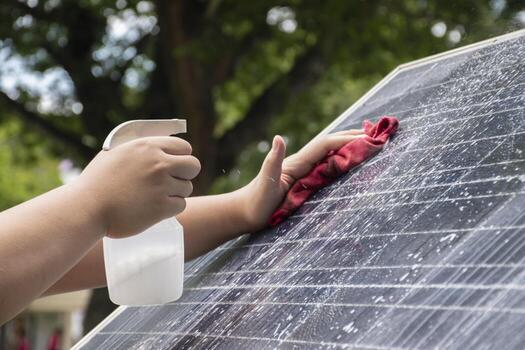
1. Preparation is Key
- Turn off or disconnect the bird feeder camera from its solar panel if possible. This prevents any risk of electrical short from moisture.
- Gently remove large debris like leaves or twigs by hand.
2. Dry Brush First
- Use the soft brush to gently sweep away loose dust, pollen, and dry droppings. Brush from one edge to the other to avoid grinding particles into the surface.
3. Tackle Stubborn Grime
- Lightly spray the soapy water solution onto the soiled area. Let it sit for 60 seconds to loosen the gunk.
- Gently wipe with the damp microfiber cloth using circular motions. Do not scrub or apply heavy pressure.
- For persistent spots like tree sap, reapply the solution and give it more time to soften.
4. Rinse & Dry Thoroughly
- Rinse the panel by spraying or gently pouring clean, lukewarm water to remove all soap residue.
- Dry immediately with a clean, dry microfiber cloth to prevent water spots. Ensure the edges and cable ports are completely dry before reconnecting power.
Critical Mistakes to Avoid
- Cleaning in Direct Sunlight: A hot panel can crack from thermal shock when cold water hits it. Clean in the morning or on a cloudy day.
- Using Abrasive Materials: Paper towels and rough rags will scratch the coating.
- Ignoring the Connection Point: Never let water pool around the cable entry port. Moisture here is a leading cause of failure.
- Using Harsh Chemicals: Solvents, bleach, or acidic cleaners will degrade the panel’s protective layers.
Pro Tips for Long-Term Health & Efficiency
- Inspect While You Clean: Look for any cracks, delamination, or worn seals around the panel’s edges during each cleaning session.
- Optimize the Angle: If the panel gets dirty quickly, adjusting its tilt can help shed rain and debris more effectively. A steeper angle is often better.
- Winter Specifics: Gently brush off snow; never use ice scrapers or hot water to melt ice, as both can cause damage.
Conclusion: Five Minutes for Uninterrupted Bird Watching
Regular, gentle cleaning of your bird feeder camera’s solar panel is the most effective maintenance you can perform. It ensures maximum energy harvest, leading to a consistently charged battery and reliable operation through all seasons. This simple routine protects your investment and guarantees you never miss a visit from your feathered friends.
Explore a durable, solar-powered bird feeder camera built for easy maintenance.