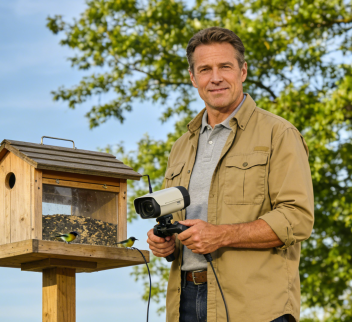
Morning light filters into your backyard, and your AI bird feeder camera sends a notification. A vibrant little bird is pecking at the feeder on your screen, but you can’t name it. Sound familiar? You’re not alone. This is where the power of an AI-powered bird feeder camera shines. Trained by ornithologists to recognize over 10,000 species, it turns every visitor into a learning opportunity. For beginners across the U.S., the first identified guests are often a familiar cast of characters. Let’s explore this AI-generated field guide to the 10 birds you’re most likely to meet first in your own backyard.
Table of Contents
1. Northern Cardinal – The Backyard’s “Red Gentleman”
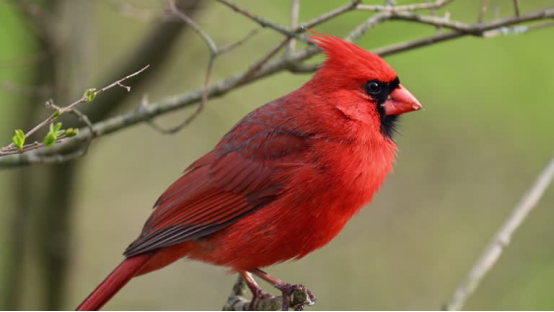
- How to Spot It: Males are unmistakable with brilliant red plumage and a pointed crest. Females are tan with warm red accents in their wings and tail.
- Backyard Habits: A year-round resident that loves sunflower seeds. It often visits low shrubs. Your bird feeder camera’s AI will instantly flag its red color and crest.
- Pro Attracting Tip: Fill one compartment of your feeder with black oil sunflower seeds to welcome a pair.
2. Blue Jay – The Intelligent “Blue Bandit”
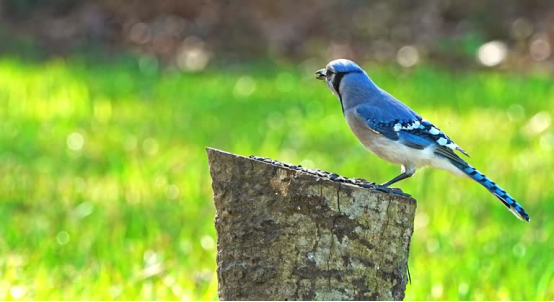
- How to Spot It: Striking blue, white, and black plumage with a pronounced crest that raises when excited.
- Backyard Habits: Highly intelligent and sometimes bold, known for caching food and mimicking hawk calls. The AI can identify it even mid-flight by its color pattern.
- Pro Attracting Tip: Offer peanuts or whole kernels in a tray-style feeder to accommodate its size.
3. American Goldfinch – The Seasonal “Wild Canary”
- How to Spot It: In summer, males are a bright lemon yellow with black wings. In winter, both sexes fade to a duller olive-brown.
- Backyard Habits: Loves Nyjer (thistle) seed. They are acrobatic feeders, often clinging to the feeder mesh. Your camera’s AI identification can even note the seasonal plumage change.
- Pro Attracting Tip: A dedicated Nyjer seed feeder is your best bet for consistent visits.
4. House Finch – The Cheerful “Common Chorister”
- How to Spot It: Males have rosy red on the head and chest, with brown streaking. Females are plain brown with heavy streaking.
- Backyard Habits: Social and vocal, they flock to feeders for sunflower seeds and millet. They are among the most frequently logged species in bird feeder camera data.
- Pro Attracting Tip: They aren’t picky; a standard seed mix will attract a cheerful crowd.
5. Black-capped Chickadee – The Fearless “Acrobat”
- How to Spot It: Tiny, with a black cap and bib, white cheeks, and gray back.
- Backyard Habits: Incredibly curious and tame. They’ll grab a single seed and fly to a branch to eat it. Their “chick-a-dee-dee” call is a backyard staple.
- Pro Attracting Tip: They love sunflower seeds and suet. Their fearless nature makes them perfect subjects for the two-way audio feature.
6. Tufted Titmouse – The Gray “Crested Explorer”
- How to Spot It: Soft gray above, white below, with a distinctive crest and large, dark eyes.
- Backyard Habits: Often follows chickadees. They are bold and will scold if the feeder is empty! They enjoy sunflower seeds and suet.
- Pro Attracting Tip: You’ll hear their whistled “peter-peter-peter” song before you see them.
7. Mourning Dove – The Gentle “Ground Feeder”
- How to Spot It: Plump, gray-brown bird with a long, pointed tail and a soft, black spot on the cheek.
- Backyard Habits: Prefers to feed on the ground on spilled seed. Their low cooing is a classic backyard sound. They are common triggers for the camera’s motion activation.
- Pro Attracting Tip: Use a tray feeder or simply scatter millet on a platform.
8. Downy Woodpecker – The Small “Tree Drummer”
- How to Spot It: The smallest woodpecker, black and white with a straight chisel-like bill. Males have a small red patch on the back of the head.
- Backyard Habits: Visits suet feeders regularly and may take sunflower seeds. They hitch up tree trunks and feeder poles.
- Pro Attracting Tip: A simple suet cake is the best way to guarantee a visit from this helpful insect-eater.
9. European Starling – The Iridescent “Flock Bird”
- How to Spot It: Short-tailed, chunky blackbird that shines with purple and green iridescence in sunlight. In winter, covered in white spots.
- Backyard Habits: Travels in large, noisy flocks and can dominate a feeder. Your camera’s AI recognition will log them frequently.
- Note: While common, they are an invasive species. Feeder designs with weight-sensitive perches can help manage their visits.
10. White-breasted Nuthatch – The “Upside-Down Bird”
- How to Spot It: Blue-gray above, clean white face and breast. Known for walking head-first down tree trunks.
- Backyard Habits: Takes a single sunflower seed and jams it into tree bark to “hatch” it open. Their nasal “yank-yank” call is distinctive.
- Pro Attracting Tip: Sunflower seeds and suet will attract this agile climber.
How to Maximize Your AI Bird Feeder Camera’s Potential
- Strategic Feeding: Use the dual seed hoppers to offer different foods—sunflower in one, a finch mix in the other—to attract a greater variety.
- Optimal Placement: Install your feeder in a semi-open area about 5-6 feet high, near cover but with a clear camera view. This makes birds feel safe and ensures great shots.
- Leverage Smart Features: Enable “Rare Bird Alerts” in the app if available. Use the data logs to see which birds visit most and when, tailoring your feeding strategy.
- Nighttime Wonders: Don’t forget the night vision mode. You might be surprised by owls, nighthawks, or nocturnal mammals visiting.
Conclusion: Your Personal Window to Nature
An AI bird feeder camera does more than deter squirrels; it opens a door to discovery. These ten birds are just the beginning of your journey. As seasons change, so will your visitors, with your smart camera serving as both observer and teacher.
Ready to start identifying your own backyard visitors? Explore the features of an AI-powered bird feeder camera that makes wildlife identification effortless and transform your yard into a living classroom.